Which is Right for You?
Dubai has quickly become one of the most attractive business destinations in the world. Entrepreneurs and investors from across the globe are exploring opportunities for business setup in UAE Free Zones and company formation in Dubai. One of the most important decisions during this process is choosing between a mainland company and a freezone company. This choice affects your ownership structure, licensing requirements, tax obligations, and access to the UAE market.
What is the Difference Between Mainland and Freezone UAE?
If you’re asking, “What is the difference between mainland and freezone UAE?”, here’s what you need to know:
Mainland companies are registered with the Dubai Economic Department (DED) and can operate anywhere in the UAE. Depending on your business activity, some mainland companies require a UAE national partner, although recent legal changes allow 100% foreign ownership in several sectors. Mainland companies must maintain a physical office in Dubai and are eligible for government contracts. This makes them ideal for businesses targeting the local UAE market.
Freezone companies, on the other hand, are established under specific Free Zone Authorities like DMCC, JAFZA, or Dubai Silicon Oasis. Freezones allow 100% foreign ownership and offer simplified administrative procedures. You can even operate with a small or virtual office depending on the freezone’s requirements.
However, businesses in freezones are generally limited to operating within the freezone unless a local distributor or agent is appointed to access the mainland market. Freezones also provide tax benefits, making them popular among international investors.
Key Differences Between Mainland and Freezone Companies
Market Access: Mainland can operate anywhere in UAE; Freezone is mostly restricted to its zone.
Ownership: Mainland may require a UAE national partner; Freezone allows 100% foreign ownership.
Licensing & Activities: Mainland licenses cover a wide range of activities; Freezone licenses are industry-specific.
Office Requirements: Mainland mandates a physical office; Freezones offer flexible options including virtual offices.
Cost: Freezones generally have lower setup and maintenance costs than mainland companies.
Popular Dubai Free Zones for Company Formation
Dubai is home to over 30 specialized freezones, each designed to support specific business sectors. Some of the most prominent include:

DMCC (Dubai Multi Commodities Centre): Ideal for trading, commodities, and finance companies.
JAFZA (Jebel Ali Free Zone Authority): Perfect for logistics, import-export, and manufacturing businesses.
Dubai Silicon Oasis (DSO): Focused on tech and innovation companies.
Dubai Internet City: Suited for IT, media, and digital marketing businesses.
Freezones are especially attractive for entrepreneurs looking for simplified company formation in Dubai with fewer legal formalities, tax exemptions, and 100% foreign ownership.
Advantages and Disadvantages of Mainland vs Freezone
Choosing the right setup depends on your business goals. Here’s a closer look at the benefits and limitations:
Advantages of Mainland Companies:
Full access to the UAE market and government contracts.
Ability to work across multiple emirates without restrictions.
Suitable for businesses with larger operational requirements.
Disadvantages of Mainland Companies:
Higher costs for licensing, office space, and compliance.
May require a UAE national partner for certain activities.
Advantages of Freezone Companies:
100% foreign ownership.
Lower setup and operational costs.
Tax incentives and simplified regulatory procedures.
Disadvantages of Freezone Companies:
Limited to operating within the freezone unless a local agent is appointed.
Business activities may be restricted to the freezone’s industry focus.
How to Setup a Company in Dubai
Setting up a company in Dubai involves several critical steps, whether in a mainland or freezone:
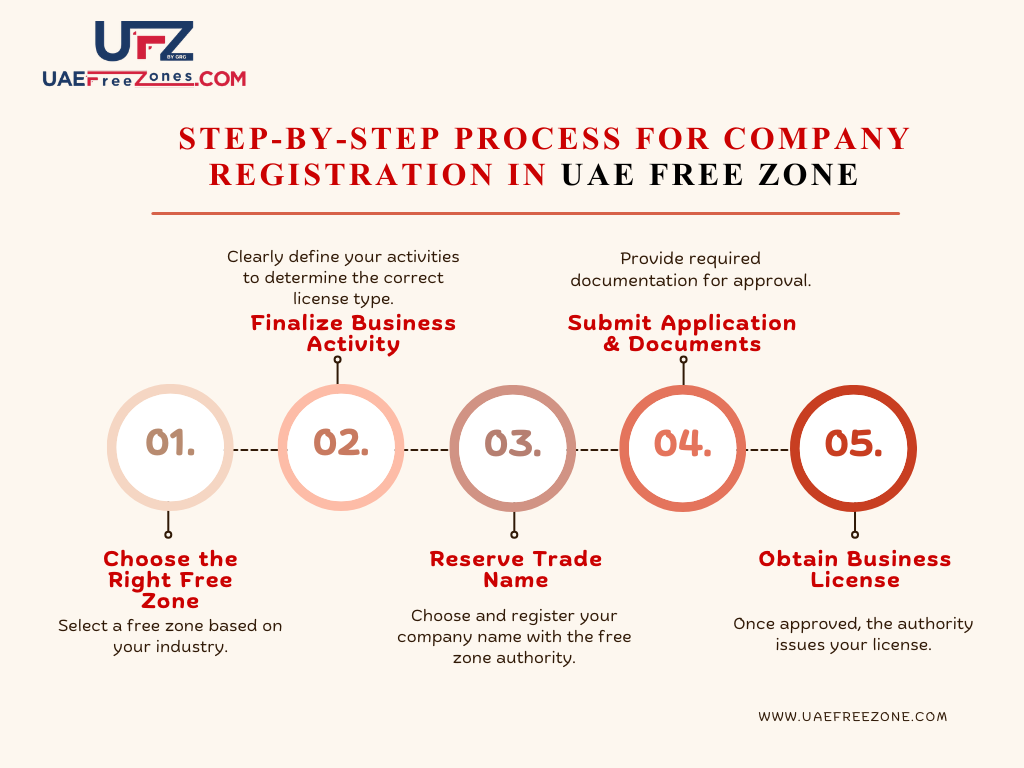
Determine Your Business Activity: Your choice affects the type of license required.
Choose Your Location: Decide between mainland or a specific freezone based on market access and ownership needs.
Reserve a Company Name: Ensure it complies with UAE naming conventions.
Apply for Your License: Submit documents to the DED or freezone authority.
Arrange Office Space: Mandatory for mainland; optional for freezones.
Open a Bank Account: Required for legal operations and transactions.
Process Visas: Investor and employee visas must be arranged.
For many businesses, Dubai Free Zones are preferred for their simplicity, flexibility, and international orientation. However, mainland setups are essential for companies targeting local UAE clients or government projects.
Factors to Consider When Choosing Mainland or Freezone
When deciding between mainland vs freezone, consider these factors:
Target Market: Mainland is ideal for UAE clients; freezone suits international markets.
Ownership Preferences: Freezone allows full foreign ownership; mainland may require a UAE partner.
Business Activities: Certain licenses and trades are only available in the mainland.
Budget & Costs: Freezones are generally more cost-effective for startups.
Future Expansion: Mainland allows unrestricted expansion within the UAE; freezones may require additional approvals.
Conclusion
Deciding between a mainland vs freezone company Dubai is one of the most important steps in your company formation in Dubai journey. By understanding the differences in licensing, ownership, office requirements, and market access, you can make a strategic choice that aligns with your business goals. Whether you choose the flexibility of a Dubai Free Zone or the market reach of a mainland setup, Dubai provides a world-class environment for businesses to grow and thrive.